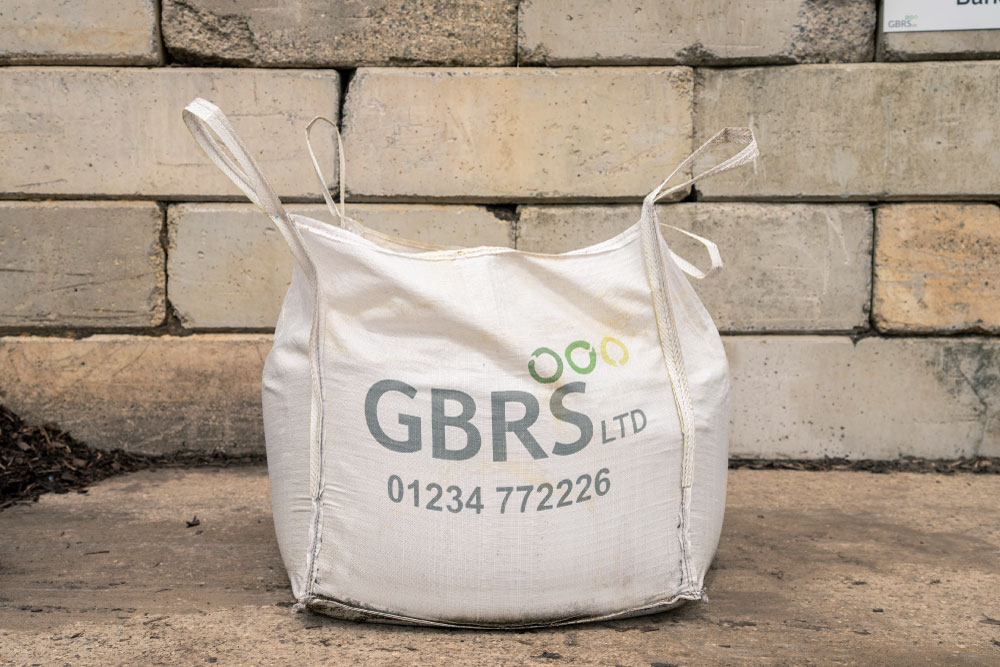
Ballast

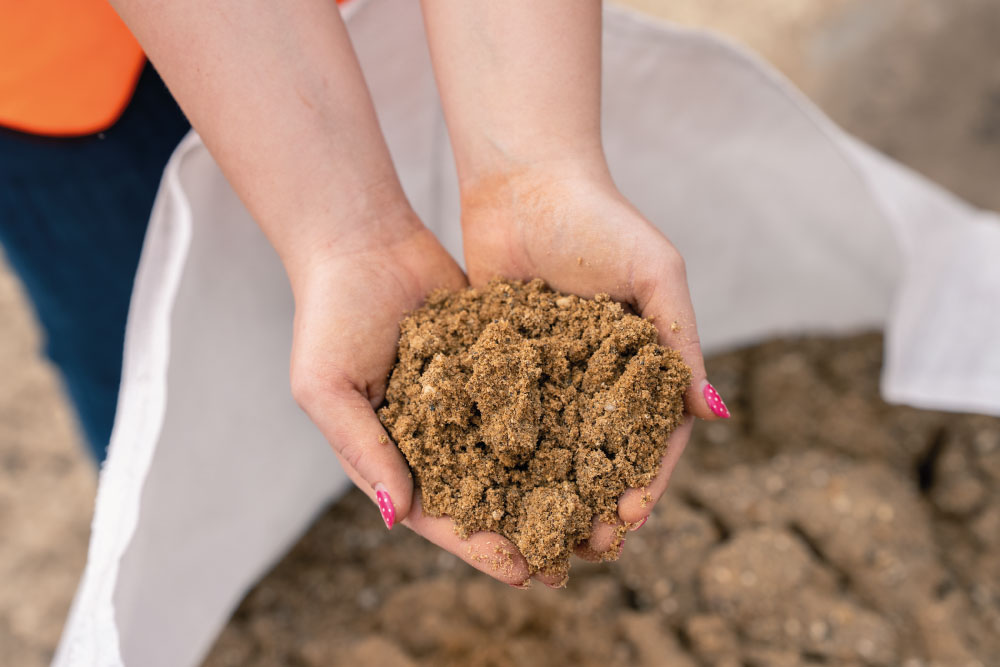
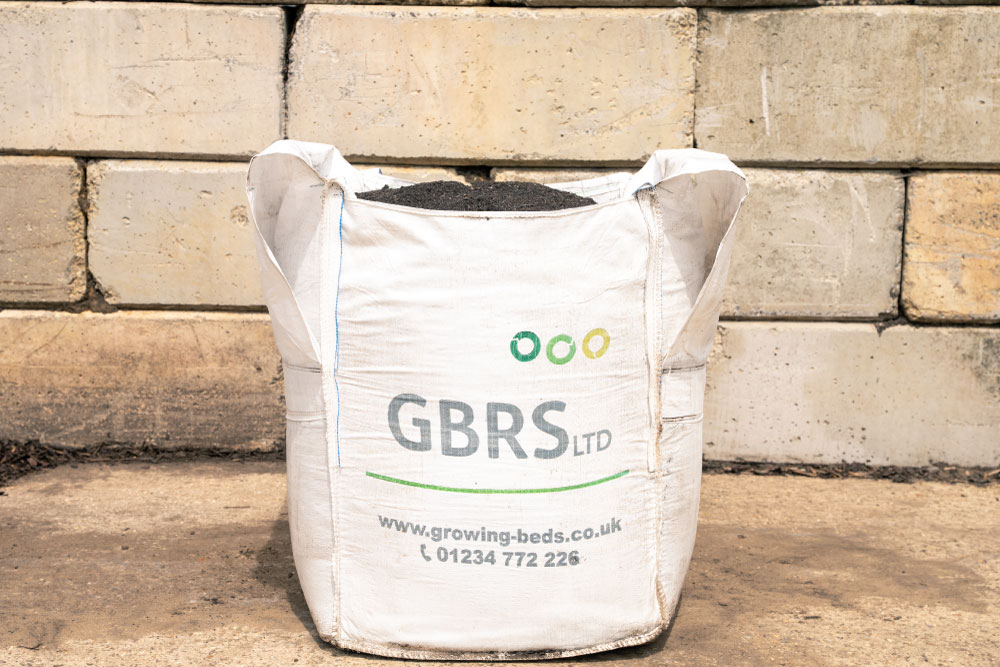
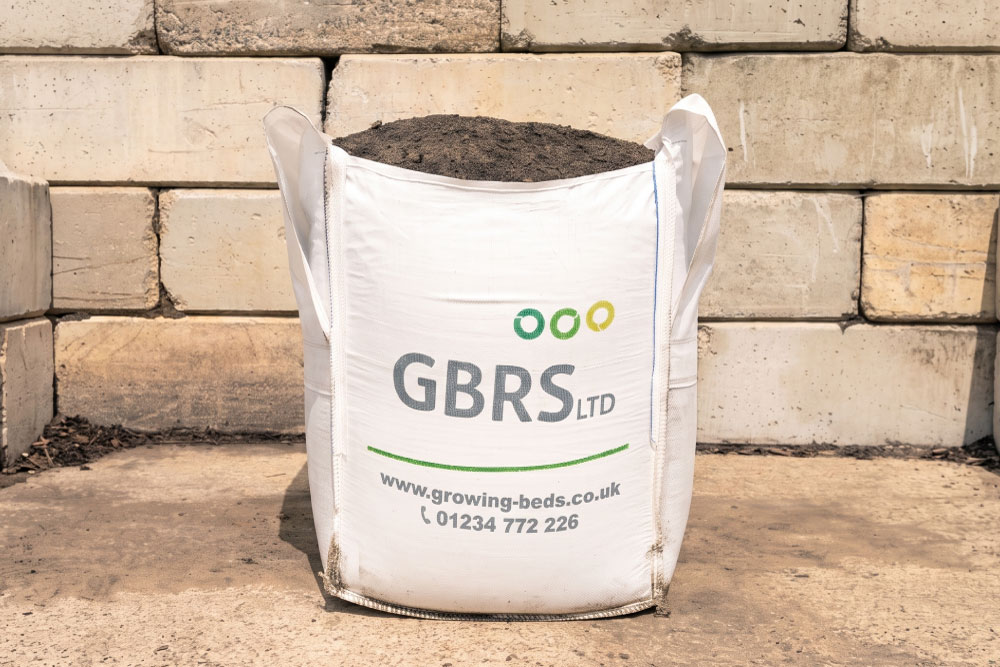
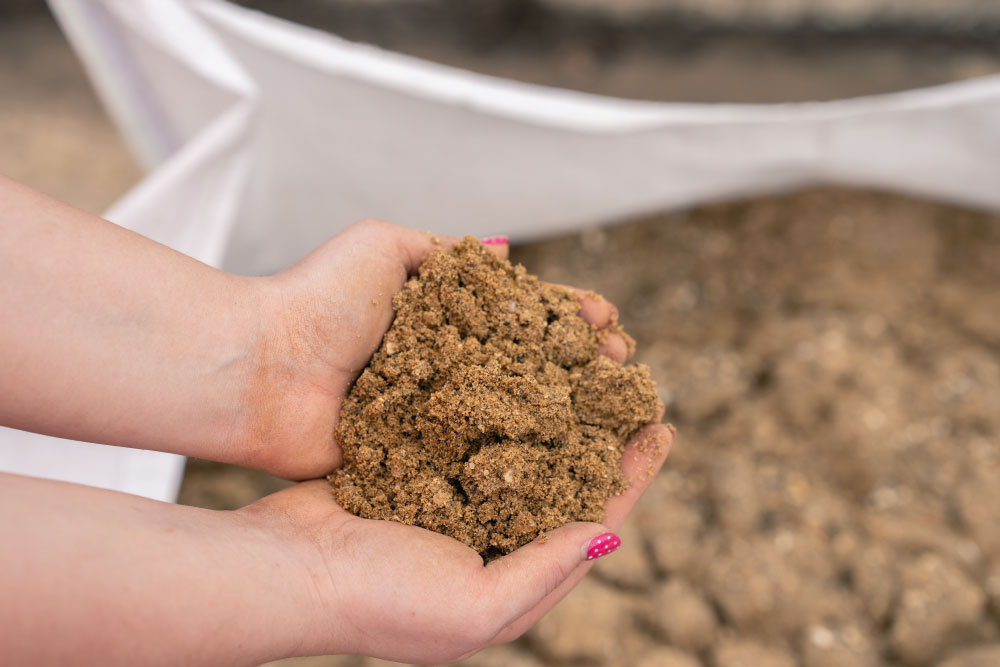
A hard-working blend of sand and aggregate for mixing concrete, laying foundations and tackling building and groundwork projects across Bedfordshire.

Available in:

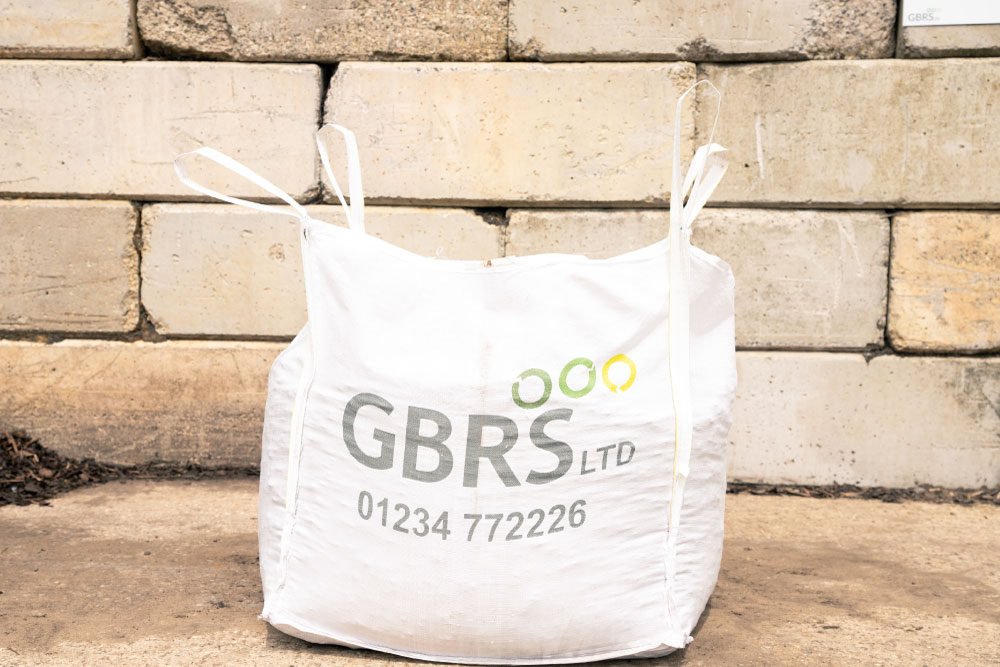
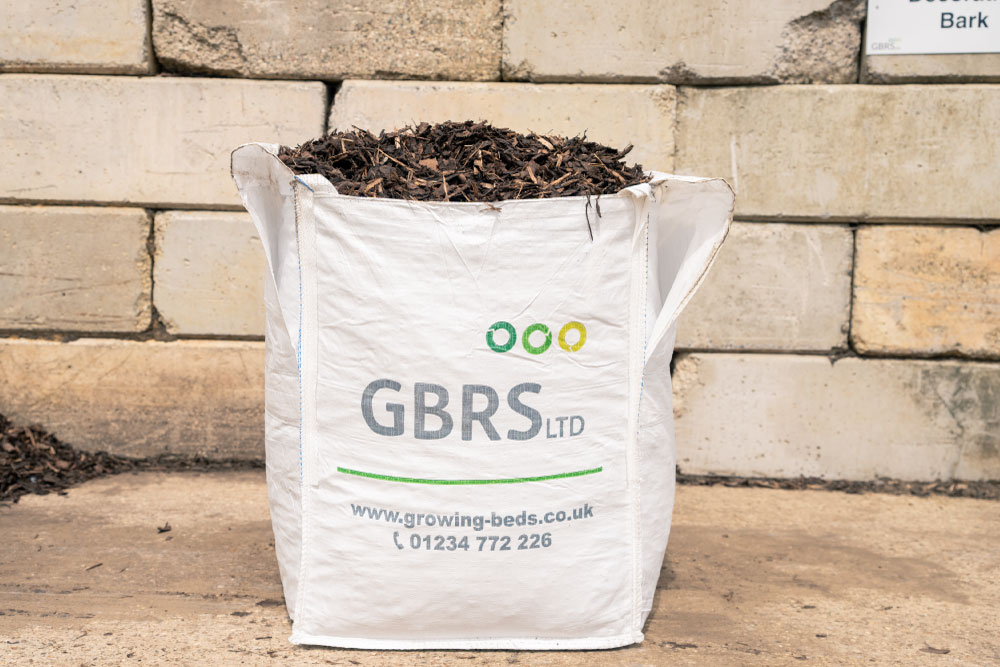
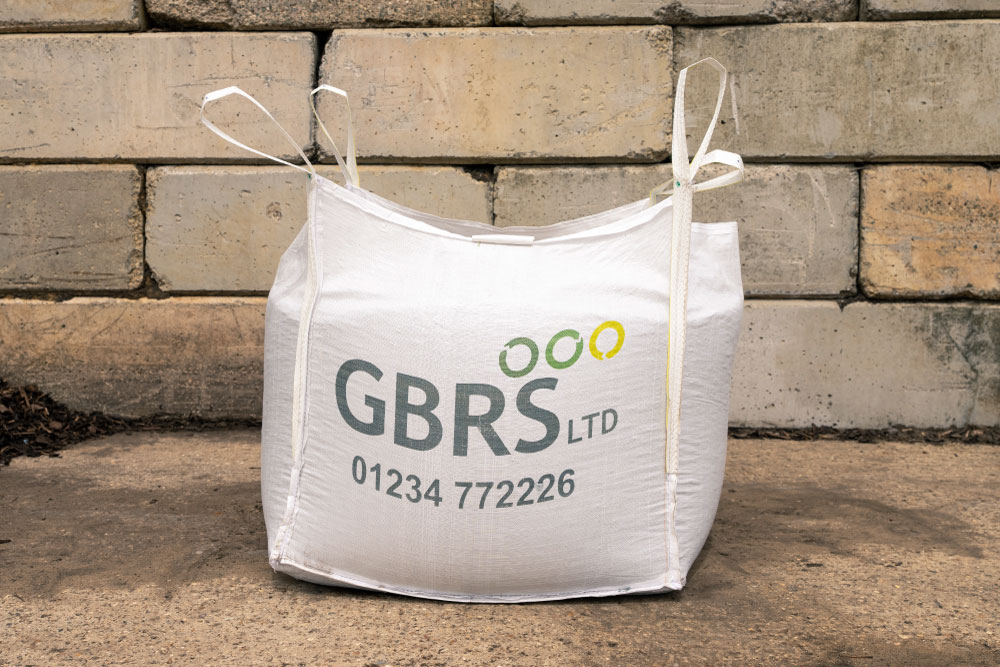
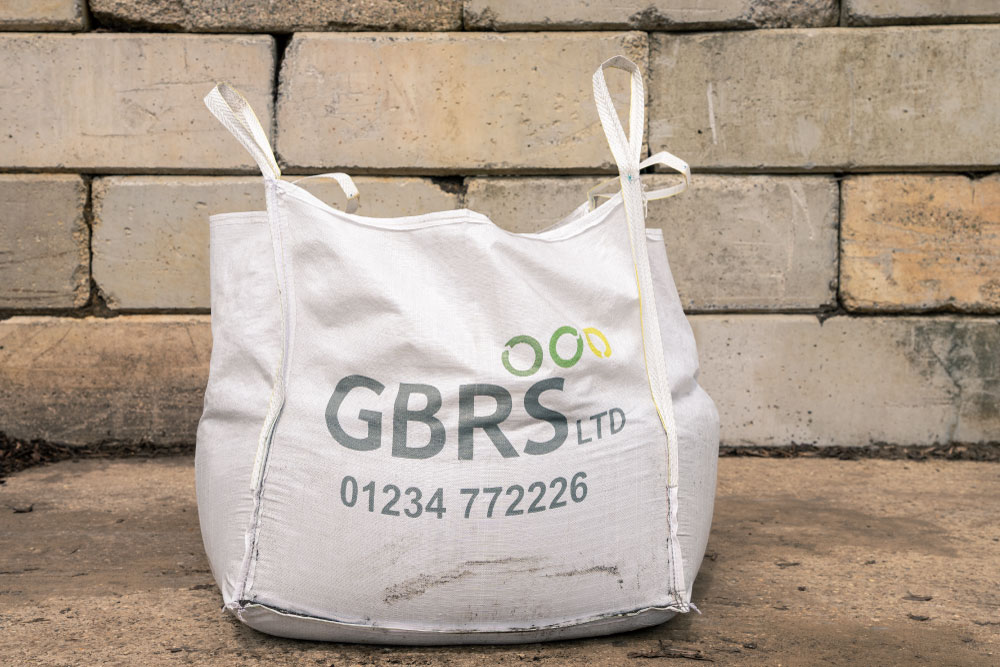
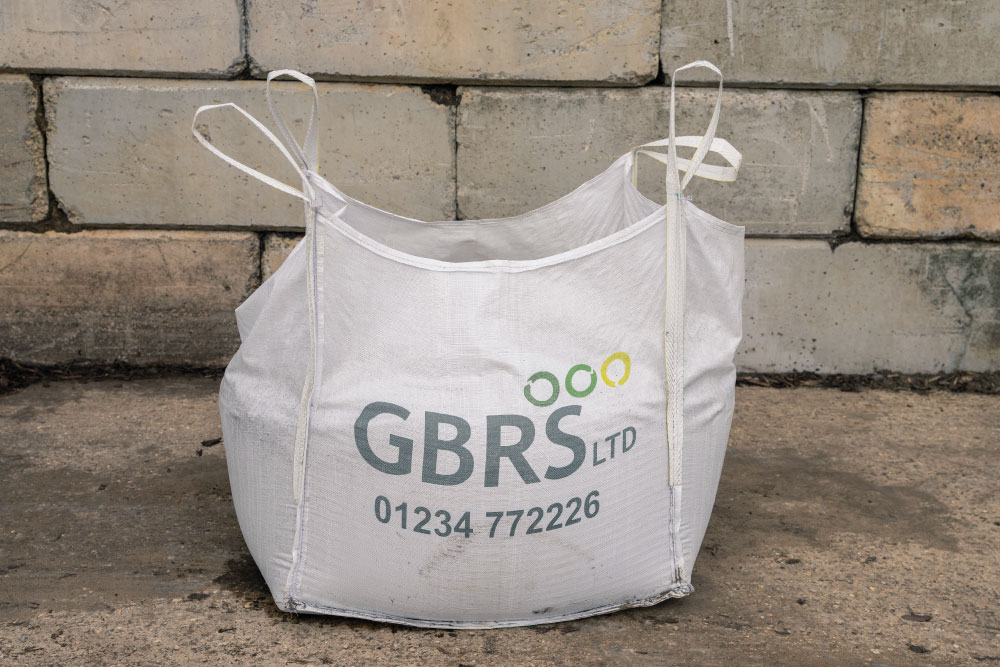
  • Dumpy bags
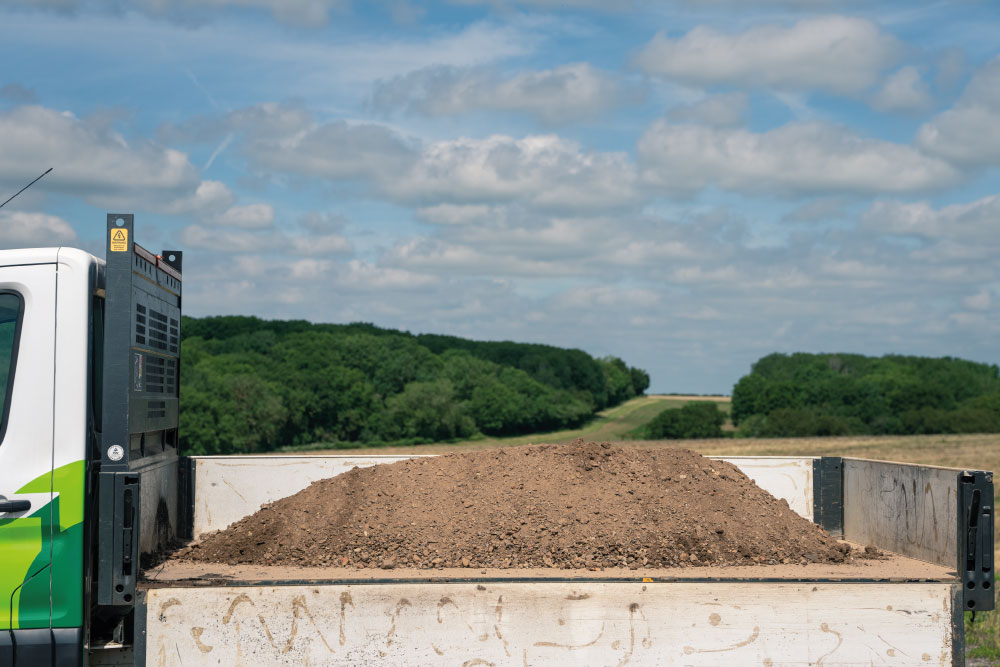
  • Loose load

Delivery within a 25-mile radius of our Bedford recycling centre. For bespoke orders, collection rates or deliveries outside our standard radius, contact us directly.
No items found.

Concrete is only as dependable as the materials that go into it. Ballast combines coarse aggregate with sand in one ready-to-use material, giving builders, landscapers and DIYers a practical starting point for strong concrete mixes.

GBRS supplies quality ballast across Bedfordshire for projects of all shapes and sizes. Add the correct proportion of cement and water, and it can be mixed into concrete for jobs where strength, stability and a solid base are essential.

Our ballast is commonly used for:

  • Concrete foundations and footings
  • Shed, greenhouse and outbuilding bases
  • Fence posts and other concrete supports
  • General building and groundwork projects
  • Concrete bases beneath paving and slabs

Having sand and aggregate already combined also makes ballast a convenient option when you don't need to source and mix the two materials separately.

Planning a weekend project at home? Working through a larger construction job? Our ballast bags and larger quantities give you the flexibility to order around the scale of the work.

If you've been searching for a ballast bulk bag near me or bags of ballast near me, GBRS supplies homes, trades and construction sites throughout Bedford, Central Bedfordshire and the surrounding area.

Ballast Bulk Bags and Loose Load Delivery

Get the materials where you need them without adding another job to the list. Our local fleet delivers ballast across Bedfordshire directly to homes, building sites and landscaping projects.

Our standard ballast bulk bag and loose load delivery area covers a 25-mile radius of our Bedford recycling centre, including Bedford, Biggleswade, Sandy, Ampthill and surrounding areas. Delivery further afield may also be available by arrangement.

Need several bulk bags of ballast or a larger quantity for an upcoming project? Speak to our team about availability, delivery and the most suitable way to order. We can also cater for longer distances if your postcode falls outside of our delivery radius.
Where can I buy a ballast bulk bag near me?

GBRS supplies ballast bulk bags across Bedfordshire, with local delivery available within a 25-mile radius of our Bedford recycling centre. We serve Bedford and surrounding areas including Biggleswade, Sandy and Ampthill, with deliveries further afield available by arrangement. If you're searching for bulk bags of ballast near me, contact our team to check delivery availability for your postcode.

What's the difference between ballast and sharp sand?

Sharp sand is a coarse sand used for applications including paving, screeding and concrete mixes. Ballast already contains both sand and larger aggregate, making it suitable for producing concrete once cement and water are added. The right choice comes down to what you're building and the mix the project requires.

What's the difference between ballast and MOT Type 1?

They perform very different jobs. Ballast is a mixture of sand and aggregate primarily used with cement and water to make concrete. MOT Type 1 is a graded aggregate that compacts to form a strong sub-base beneath driveways, paths, paving and other surfaces. A project can use both. MOT Type 1 might create the compacted foundation, while concrete made using ballast could form part of the structure above it.

What are the different types of ballast?

The term ballast can cover different blends and grades of sand and aggregate, with products varying according to the size and type of stone used. For most general building projects, the important consideration is choosing a ballast suitable for the concrete application you're working on. If you're not sure which aggregate you need, speak to our team before ordering.

Can you use ballast to lay slabs?

Ballast can be used to create concrete that forms a strong base beneath paving slabs, but it isn't normally used as the final bedding material on its own. The correct base and laying method will depend on the type of paving, expected traffic and individual project requirements.

How heavy is a bag of ballast?

That depends on the type of bag. Small bags and bulk bags of ballast can vary considerably in weight, while moisture content can also affect the actual weight of aggregate materials. For the exact weight of the GBRS ballast product, check the product details or speak to our team before ordering.

How many m³ are in a bulk bag of ballast?

The volume contained in a ballast bulk bag depends on the weight and specification of the particular bag, so there isn't one universal figure that applies to every supplier. Check the stated size of the product you're ordering rather than assuming all bulk bags of ballast contain the same volume. Our team can also confirm the specification of our ballast bags before you order. Get in touch for more details.

How much ballast do I need?

Work out the length, width and required depth of the area first. Multiplying those measurements gives you the approximate volume of material the finished project needs. The quantity of ballast required will then depend on the concrete mix being used, the size of the area and the depth of the pour. It's sensible to allow a little extra for variations in ground level, spillage and wastage. If you're unsure how many ballast bags you'll need, give our team your project measurements and we can help you choose a suitable quantity.

How do you make concrete with ballast?

Ballast is mixed with cement and water to produce concrete. The exact proportions required will depend on the application and the strength of concrete needed, so the appropriate mix specification should always be followed for the project. For structural or load-bearing work, follow the requirements provided by your builder, engineer or relevant project specification rather than relying on a general-purpose ratio.

How does ballast work?

The different particle sizes within ballast work together when concrete is mixed. Sand fills smaller spaces within the mixture, while the coarse aggregate provides structure and strength. Cement and water bind everything together as the concrete cures.

What is ballast used for?

Ballast is primarily used to make concrete. Typical applications include foundations, footings, shed bases, fence posts, pathways and other general groundwork. Its combination of finer sand and larger aggregate helps give concrete both structure and strength once mixed and cured.

What is ballast?

Ballast is a building aggregate made from a mixture of sand and coarse stone or gravel. Rather than buying the two materials separately, ballast combines them into one product that can be mixed with cement and water to make concrete. It's widely used across construction, landscaping and DIY projects where a strong concrete mix is required.